Science8.5
NASA's Voyager 1 launched second, so how did it beat Voyager 2 to a light-day by nearly a decade?
Space.com · Nov 17, 2026
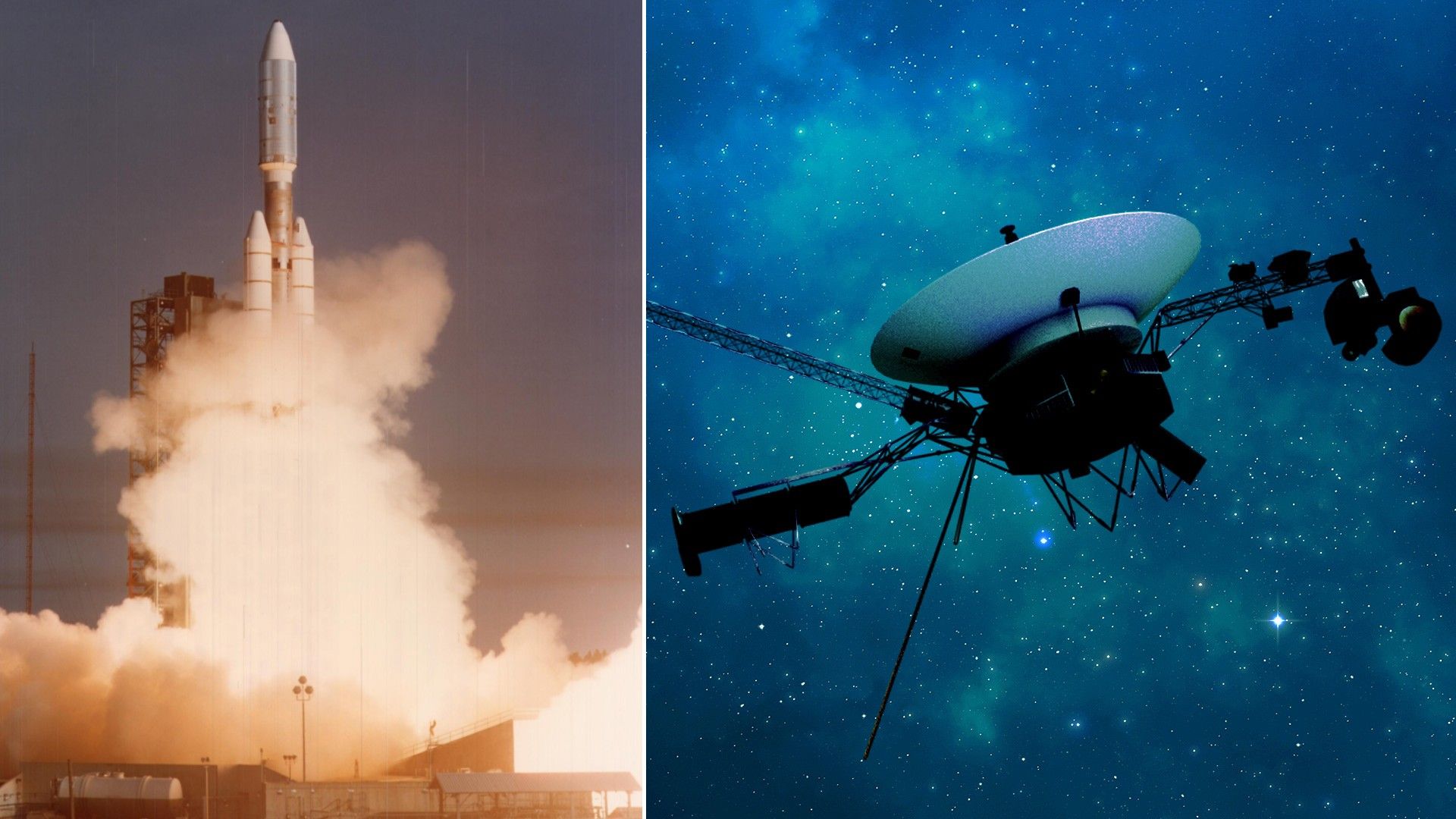
Voyager 1 has become the first human-made object to travel a light‑day away from Earth, a milestone reached after 50 years in space. By contrast, Voyager 2, launched later and on a slower trajectory, won’t hit the same distance until roughly 2035. The difference stems from the spacecrafts’ original speed choices and gravity‑assist maneuvers. This achievement highlights the longevity of the Voyager program and the challenges of interstellar travel.
Why it matters
Reaching a light‑day underscores how far humanity’s probes have traveled beyond the solar system, providing unique data on the heliosphere’s edge and informing future interstellar mission designs.
Key takeaways
- Voyager 1 is now a light‑day from Earth, a first for any spacecraft
- Voyager 2’s slower path delays its light‑day milestone until about 2035
- Speed differences arise from launch timing and gravity‑assist trajectories
- The milestone offers new insights into the outer heliosphere and interstellar space
- Voyager’s durability continues to shape long‑duration mission planning