Science8.0
On this day in space! Nov. 21, 1676: Danish astronomer discovers speed of light — by accident — while observing Jupiter's moon Io
Space.com · Nov 21, 2026
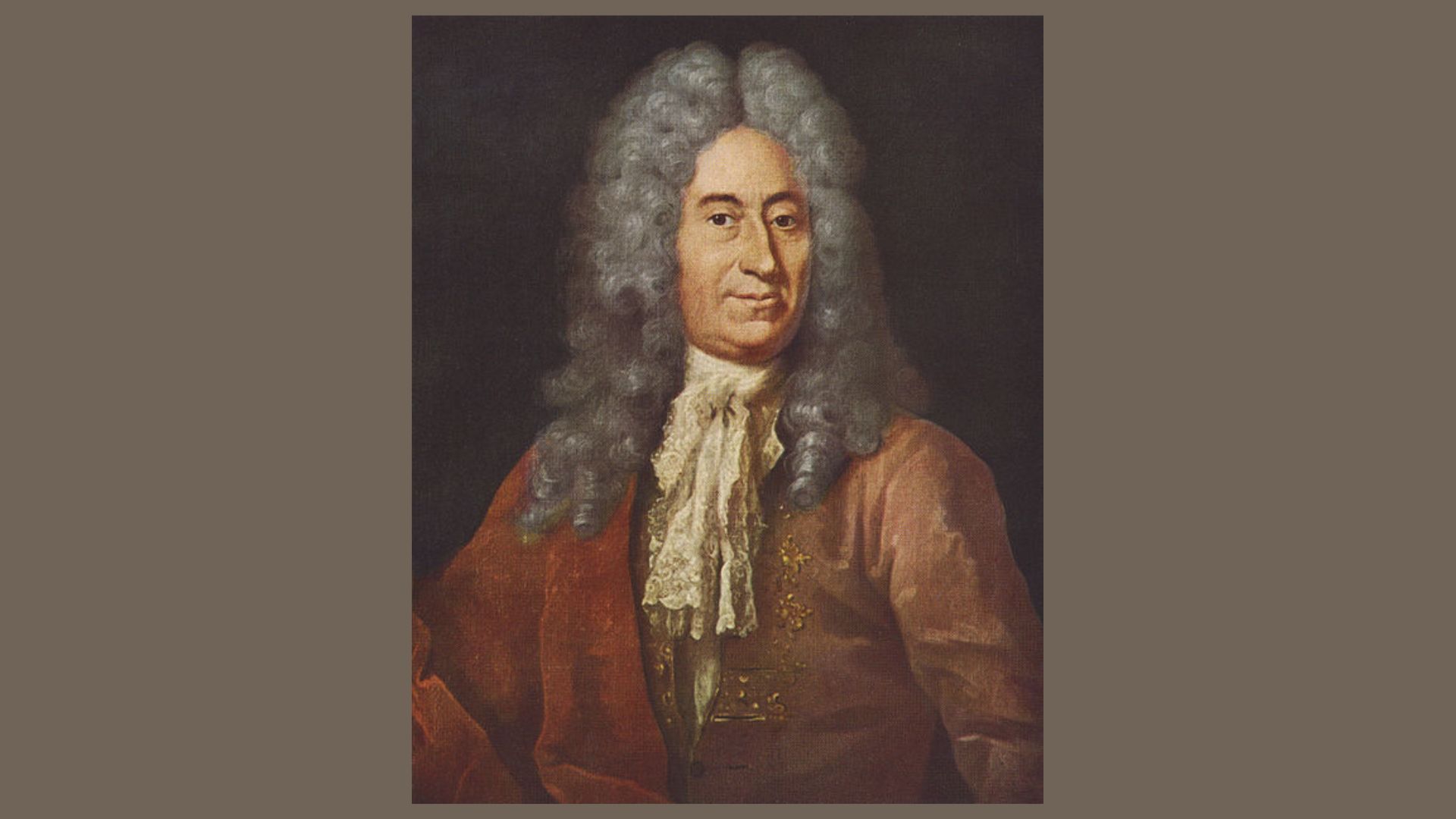
On November 21, 1676 Danish astronomer Ole Rømer observed the eclipses of Jupiter’s moon Io and noticed a delay that grew with Earth’s distance from Jupiter. From this he calculated the first quantitative estimate of the speed of light, proving that light does not travel instantaneously. The discovery reshaped 17th‑century physics and laid groundwork for modern astronomy and relativity.
Why it matters
Rømer’s measurement was the first empirical proof that light has a finite speed, a cornerstone for later theories from Newtonian optics to Einstein’s relativity, and it demonstrated the power of precise astronomical timing in uncovering fundamental physical constants.
Key takeaways
- Rømer used Io’s eclipse timings to infer light‑travel time variations.
- His estimate was the first credible, quantitative speed‑of‑light value.
- The finding disproved the long‑held belief that light is instantaneous.
- It sparked a paradigm shift in physics, influencing later scientists like Newton and Einstein.
- The method highlighted how celestial observations can reveal universal constants.