Science8.5
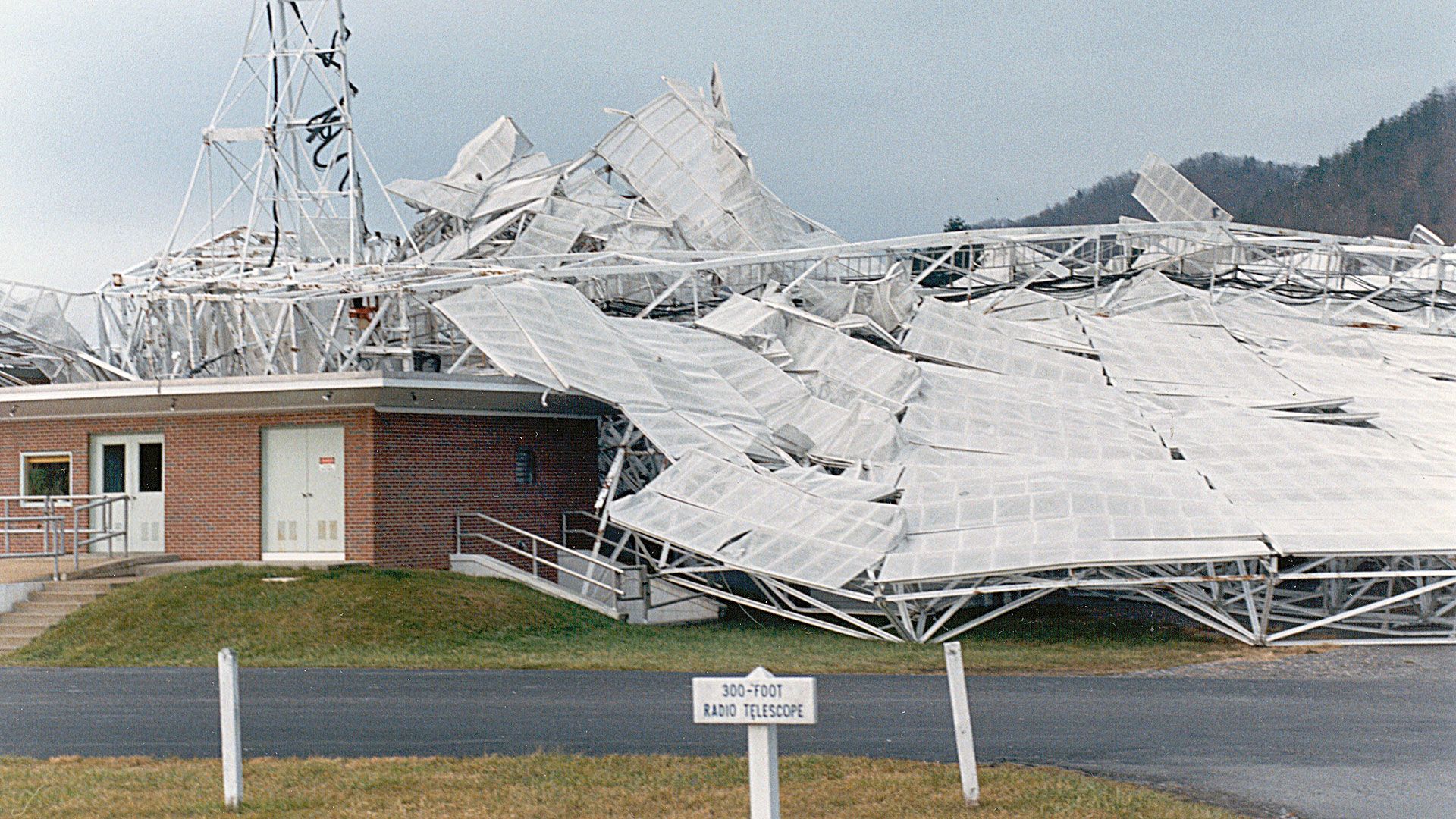
On this day in space! Nov. 15, 1988: The 300-foot Green Bank Telescope collapses suddenly, leaving a huge pile of wreckage in West Virginia
Space.com · Nov 15, 2026
On November 15, 1988, the 300‑foot Green Bank Telescope in West Virginia suffered a sudden structural failure and collapsed, scattering its massive dish across the site. The incident highlighted engineering challenges in building large radio observatories and prompted redesigns that later informed the construction of more resilient telescopes. The collapse remains a cautionary tale for modern radio‑astronomy projects.
Why it matters
Understanding past failures helps engineers and scientists avoid similar pitfalls in current and future telescope designs, safeguarding multi‑billion‑dollar investments in astronomical infrastructure.
Key takeaways
- The Green Bank Telescope collapsed unexpectedly on Nov. 15, 1988.
- Structural weaknesses in the original design were identified after the failure.
- The event spurred stricter engineering standards for large radio dishes.
- Lessons learned influenced the design of later telescopes like the upgraded GBT and the Square Kilometre Array.
- Historical incidents provide valuable case studies for risk management in scientific projects.