Discover
This week's best stories, read and scored by AI.
A public sample of what InsightLoop picks. Sign up to follow your own topics — anything from Formula 1 to a single video game — and get them as cards in Telegram.
Discover
A public sample of what InsightLoop picks. Sign up to follow your own topics — anything from Formula 1 to a single video game — and get them as cards in Telegram.
295
Stories collected today
20
Analyzed by AI today
55
Curated sources
NASA’s Voyager 1 has now traveled 16.1 billion miles, making it the most distant human‑made object, with its radio signals taking a full 24 hours to reach Earth. Nearly five decades after launch, the probe remains operational in interstellar space despite dwindling power and aging systems. The milestone underscores both the durability of early‑era spacecraft and the challenges of communicating across vast distances.
Researchers at UC Berkeley discovered a novel compound that boosts energy expenditure, leading to weight loss in mice without significant muscle loss. The treatment also improved blood sugar control and reduced liver fat, and showed additive benefits when combined with existing GLP‑1 drugs like Ozempic. These findings suggest a potential new avenue for obesity therapy that targets metabolism rather than appetite suppression.
Want this for your own interests?
Pick topics or type any interest — we find the sources and send you the best each morning.
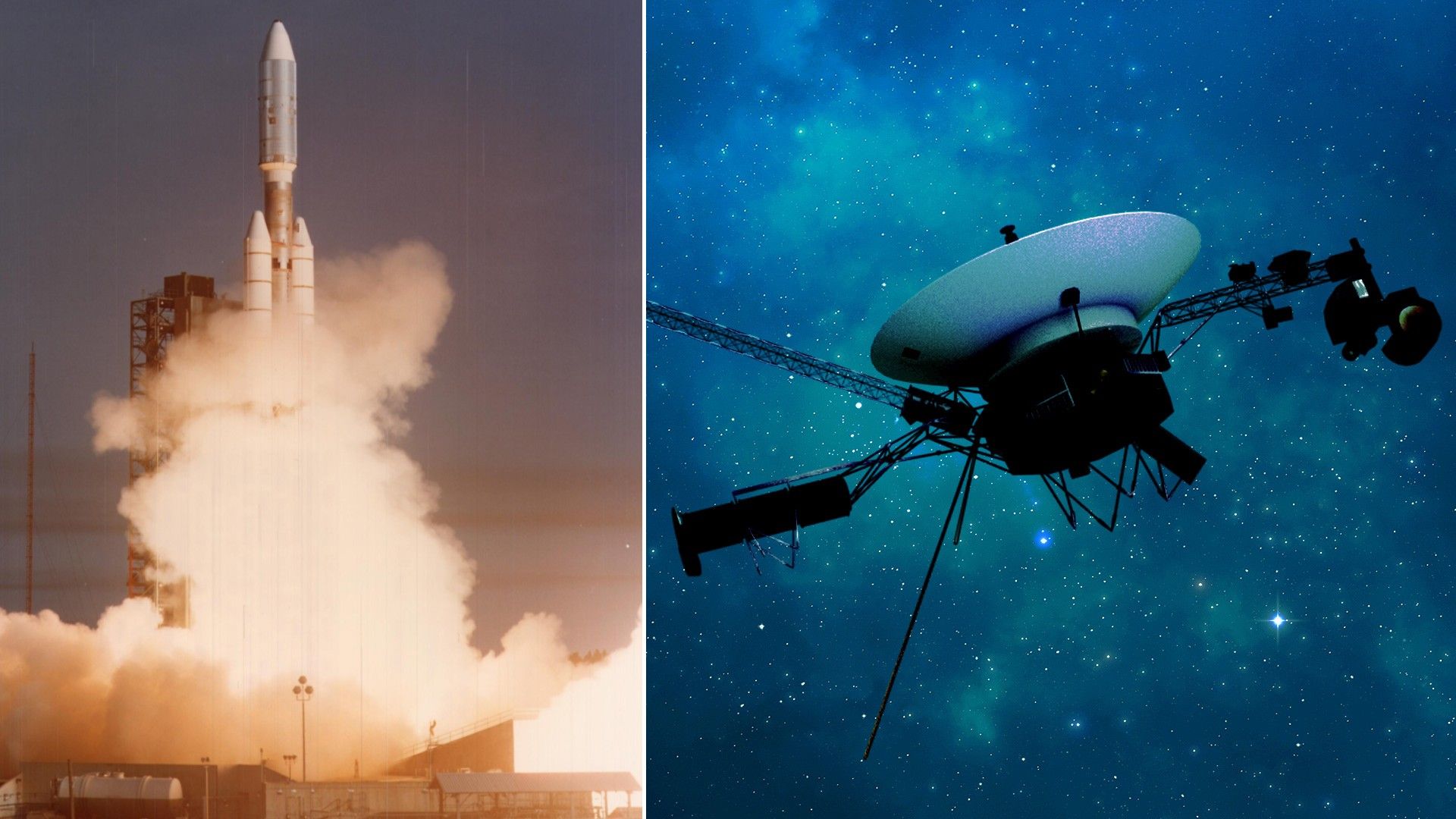
Voyager 1 has become the first human-made object to travel a light‑day away from Earth, a milestone reached after 50 years in space. By contrast, Voyager 2, launched later and on a slower trajectory, won’t hit the same distance until roughly 2035. The difference stems from the spacecrafts’ original speed choices and gravity‑assist maneuvers. This achievement highlights the longevity of the Voyager program and the challenges of interstellar travel.
NASA’s Voyager 1 is now so far away that light takes 24 hours to reach it
ScienceDaily · 1d ago · 2 min read
Experimental compound burns fat without sacrificing muscle
ScienceDaily · 2d ago · 2 min read
NASA's Voyager 1 launched second, so how did it beat Voyager 2 to a light-day by nearly a decade?
Space.com · 4d ago · 2 min read
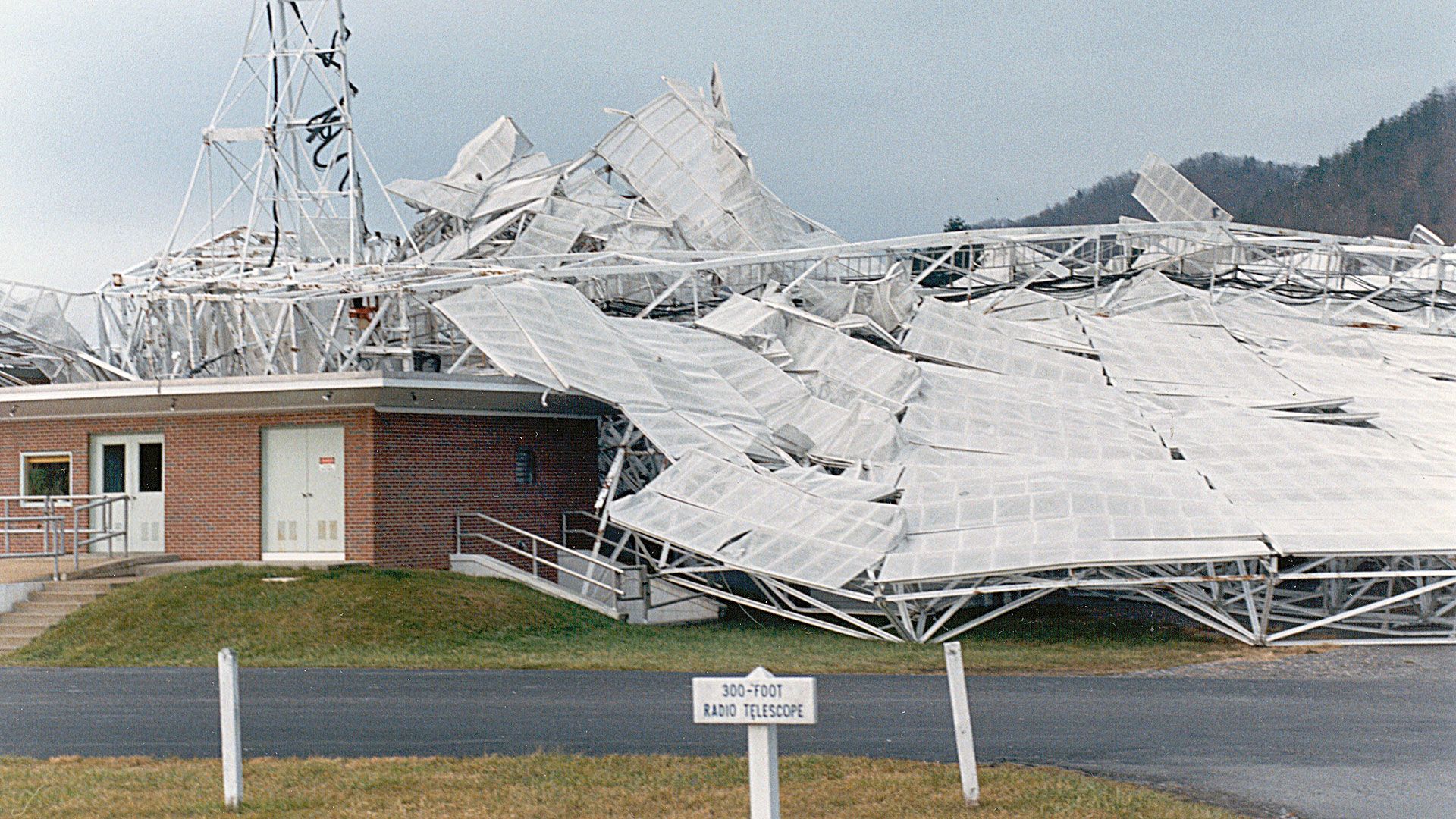
On this day in space! Nov. 15, 1988: The 300-foot Green Bank Telescope collapses suddenly, leaving a huge pile of wreckage in West Virginia
Space.com · Nov 15, 2026 · 2 min read
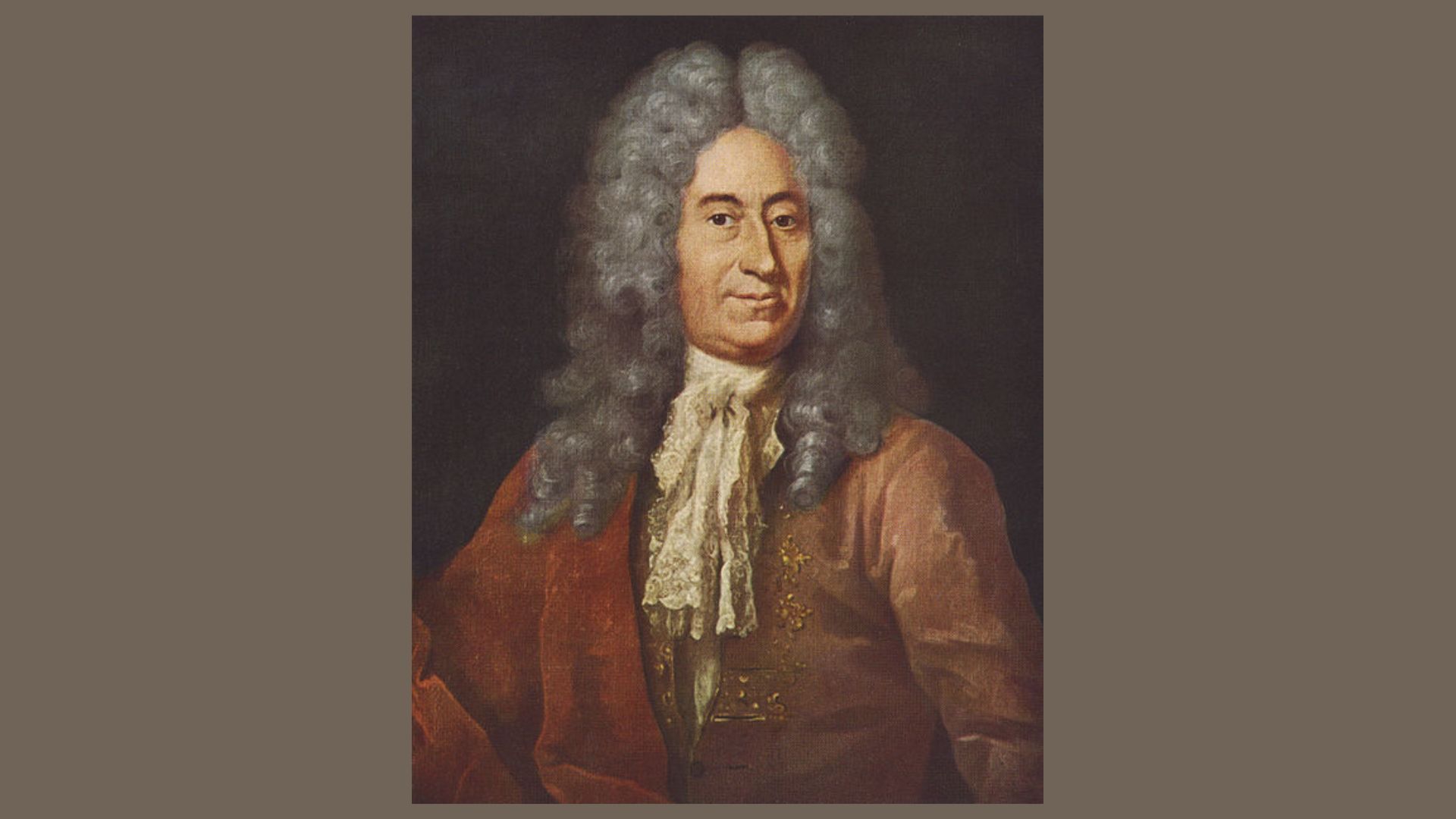
On this day in space! Nov. 21, 1676: Danish astronomer discovers speed of light — by accident — while observing Jupiter's moon Io
Space.com · 1d ago · 2 min read
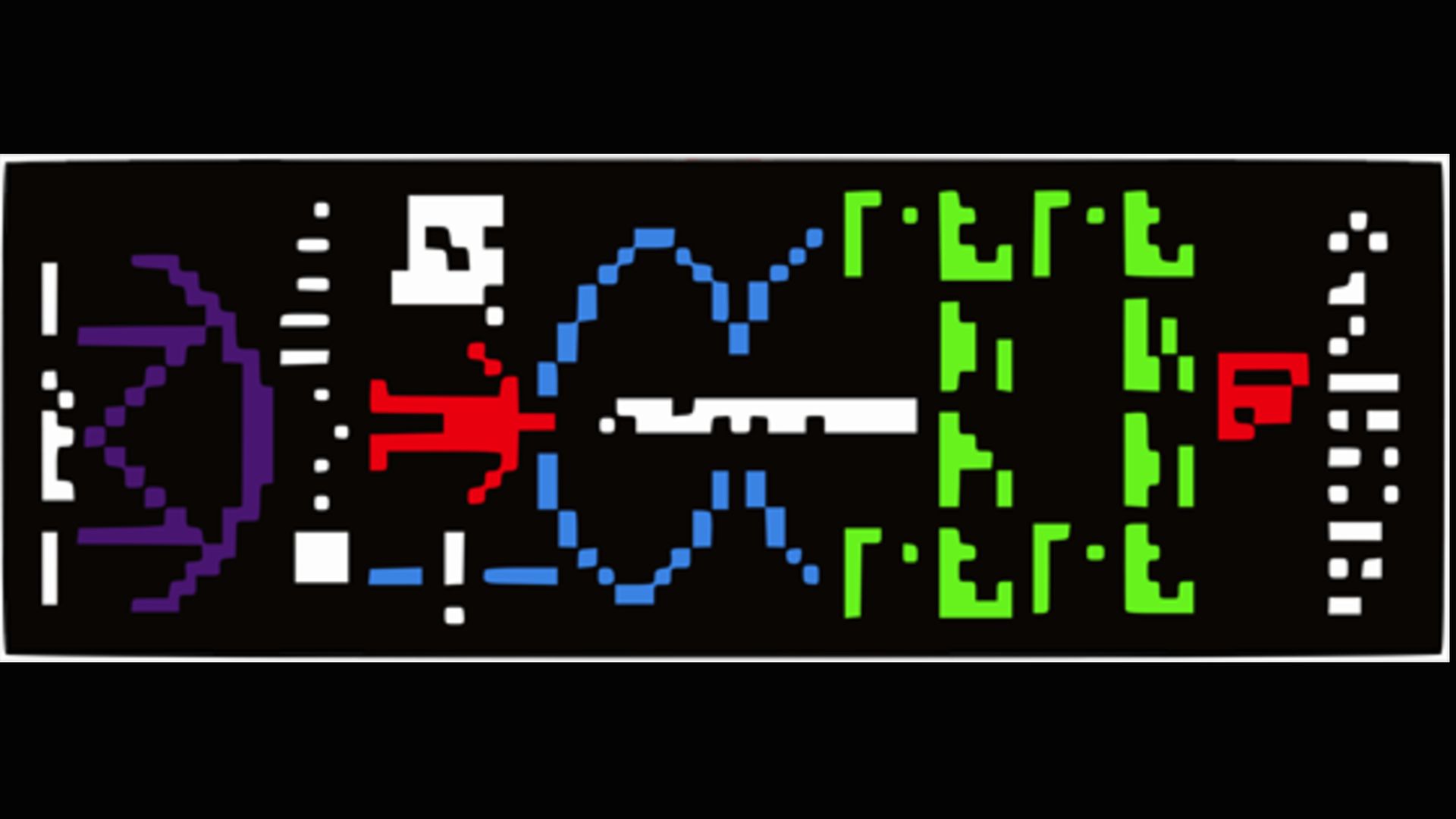
On this day in space! Nov. 16, 1974: The giant Arecibo Observatory in Puerto Rico broadcasts humanity's 1st interstellar message
Space.com · 5d ago · 2 min read
This Week In Space podcast: Episode 237 — A Fond Farewell
Space.com · 1d ago · 2 min read

Whether you want Star Trek: Strange New Worlds or the pure nostalgia of The Original Series, this limited-time $2.99 Paramount+ streaming deal gets you both
Space.com · 3d ago · 2 min read

30 years ago, 'Space Jam' proposed the best way to resolve interplanetary disputes
Space.com · Nov 15, 2026 · 2 min read